waste Archive

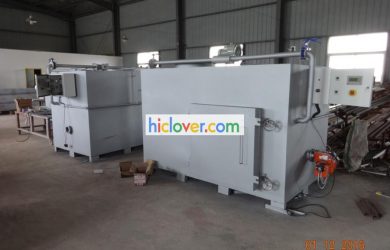
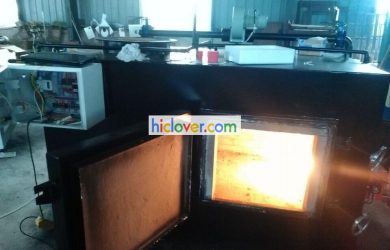
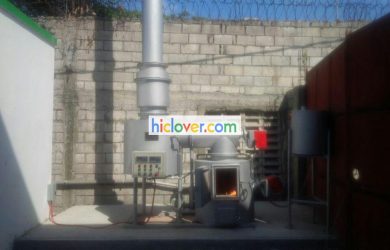
large animal incinerators

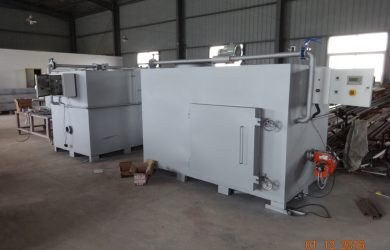
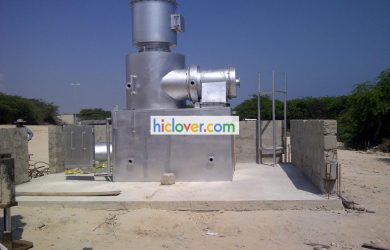
Animal diseases, new virus strains and spread of infectious diseases are only few of the consequences of improper animal waste treatment. Incineration is the way forward for Bio-secure waste disposal. large animal incinerators is recognized as a most efficient solution for significant …

NCV Incinerator NGV Incinerator

What is incineration and why it is useful? Incineration is also called as combustion. … Important use of incineration is that it reduces volume of  waste by 20-30% of original volume. This process is also known as thermal treatment where solid waste materials are  converted by Incinerators into heat, gas, steam and ash. Do all hospitals have incinerators? Two common methods of disposing of hospital-generated medical waste include incineration or autoclaving. Incineration is a process that burns medical  waste in a controlled environment. Some hospitals have on-site incineration technology and equipment available.  How do hospitals dispose of placentas? Hospitals treat placentas as medical waste or biohazard material. The newborn placenta is placed in a  biohazard bag for storage. … Once the hospital is done with the placenta, it is put on a truck with all the  other medical waste accumulated at the hospital for proper disposal   incineration of sewage sludge possible solution to get rid of medical waste in oman irradiation of medical waste incinerator repair and service household waste incinerators in india explanation on incineration in health centre ensnertor technician   Nanjing Clover Medical Technology Co.,Ltd. Items/Model TS10(PLC) TS20(PLC) TS30(PLC) TS50(PLC) Burn Rate (Average) 10-20 kg/hour 20-30 kg/hour 30-50 kg/hour 50-100 kg/hour Control …

What are the objectives of incineration?

What are the objectives of incineration? Incineration plants produce heat and power from waste, reduce waste disposal to landfills, and discharge  harmful emissions and bottom ash. The objective of the incineration plant is to maximize desirable outputs  (heat and power) and minimize undesirable outputs (emissions and bottom ash).   What is incinerators used in hospitals? Medical incinerators are designed safely to dispose of harmful materials at high temperatures. The process  ensures no harmful gases are released into the environment. Medical waste incinerators have scrubbers to  clean the polluted gases and other particulate matter. Which is better landfill or incineration? Its director Jacob Hayler told us: “It is better to recover energy from non-recyclable waste through (incineration), than send it to landfill.” … Mr Hayler says that overall greenhouse  gas emissions from incineration are lower than from landfill. How does incineration affect our environment? Pollutants emitted by incinerators that appear to have the potential to cause the largest health effects are  particulate matter, lead, mercury, and dioxins and furans. However, there is wide variation in the contributions  that incinerators can make to environmental concentrations of those contaminants.       Nanjing Clover Medical Technology Co.,Ltd. temperature required for body parts incineration incinerator for clinical methods of waste management haat incinerator india contact number for hazardous waste management companies in kumasi https www pvc org en p pvc incineration dioxins disposal of clinical waste Suitably designed pollution control devices such as scrubbers, filters or electrostatic precipitators, shall be  installed/retrofitted with the incinerator to achieve emission limits.” “Each unit shall include a complete vertical exhaust and stack system, including the following features: • Steel construction. • Refractory lining in the lower section. • The exit height of the stack shall be not less than a range of 3-12 metres above ground level depending on  the capacity of the incinerator unit.  • The diameter of the stack shall be selected by the Contractor to deliver an exhaust exit velocity of not less  than 10 metres per second vertically upwards when at full scale operation. • An emission stack sampling port shall be included immediately above the secondary chamber. Items/Model …

What is the main advantage of incineration?

What is the main advantage of incineration? Incineration plays a vital role in making waste management easier and more efficient.  Incineration can burn up to 90% of the total waste generated and sometimes even more. However,  landfills only allow organic decomposition without making much difference, and non-organic waste keeps accumulating. What materials can be incinerated? A material commonly associated with waste incineration is municipal solid waste (MSW).  This type of waste is typically general waste such as household waste, food waste, cardboard,  and paper. All of these are safe to incinerate. What are the types of waste? There are 5 types of waste, do you know them all?     Liquid Waste. Liquid waste is commonly found both in households as well as in industries. …     Solid Rubbish. Solid rubbish can include a variety of items found in your household along with  commercial and industrial locations. …     Organic Waste. …     Recyclable Rubbish. …     Hazardous Waste. Which waste is highly infectious? Infectious waste: waste contaminated with blood and other bodily fluids (e.g. from discarded  diagnostic samples), cultures and stocks of infectious agents from laboratory work (e.g. waste from  autopsies and infected animals from laboratories), or waste from patients with infections (e.g. swabs,  bandages and disposable  waste management disposal pit latrine incinerators and rubbish pit electrial incnirator for hospital waste incinerators for corpse incenerators for sale inciratorमीन्स इन हिंदी waste incinerator incineration cost quantities what is incineration of waste safety waste incinerator       Nanjing Clover Medical Technology Co.,Ltd. Items/Model TS10(PLC) TS20(PLC) TS30(PLC) …

What is called incineration?

What is called incineration? Incineration is a waste treatment process that involves the combustion of substances contained in  waste materials. Industrial plants for waste incineration are commonly referred to as waste-to-energy facilities. … Incineration of waste materials converts the waste into ash, flue gas and heat.   What is incineration waste management? In its most basic form, it is the destruction of something, especially waste material, by burning.  Incineration is a thermo-decomposition process where the components present in the waste stream are ionized into  harmless elements at a higher temperature in the presence of oxygen. What type of waste is incinerated? In incineration applications, the fuel is predominately waste (although fossil fuels may be co-fired) and the oxygen source is air. Combustion produces many of the same stable end products,  whether the material burned is natural gas, coal, wood, gasoline, municipal solid waste, hazardous waste,  or medical waste.   Which is an example of incineration? For example, hospitals and research facilities generally use incinerators to dispose of biological tissues,  blood-contaminated materials, and other medical wastes such as disposable hypodermic needles and tubing.   Are incinerators safe? What’s more, incinerators release more toxic pollution than coal-fired power plants per unit of energy.  To make the same amount of energy as a coal power plant,  waste incinerators release: 28 times as much dioxin (a known carcinogen); 5 times as much carbon  monoxide (a poisonous gas known as the “silent killer”);       Nanjing Clover Medical Technology Co.,Ltd. Items/Model TS10(PLC) TS20(PLC) TS30(PLC) TS50(PLC) Burn Rate (Average) 10-20 kg/hour 20-30 kg/hour …

What are three disadvantages of incinerators?

How much fuel does an incinerator use? Most fuel-assisted incinerators with a capacity to destroy 100 to 150 kilograms of waste per day consume 5 to 8 liters per hour of fuel (4 to 6.5 kilograms of gas)   What are three disadvantages of incinerators? Disadvantages of Waste Incineration     It is Expensive. The installation of an incineration plant is an expensive process. …     Pollutes the Environment. …     Damaging Public Health. …     The Possibility of Long-term Problems. …     Ash Waste Can Potentially Harm People and the Environment. …     Environmental Racism. smart ash incinerator incinerator diesel incinerator south africa package medical waste incinerator   How much does it cost to run an incinerator? Cost of incineration plant by formula According to the formula, the cost of a 40,000 tpa plant is $41 million, or $1,026 per ton of annual capacity. A Medium-sized 250,000 tpa plant should cost $169 million, or $680 per ton of annual capacity. These numbers give us the first estimation of how much waste-to-energy is.   How hot is an incinerator? Thermal destruction of most organic compounds occurs between 590/C and 650/C (1100/F and 1200/F). Most hazardous waste incinerators are operated at 980/C to 1200/C (1800/F to 2200/F) to ensure nearly complete destruction of the organics in the waste (AWMA, 1992). Why incinerators are the most expensive form of waste disposal? Incineration is generally the most expensive form of waste disposal because incin- erators require a lot of energy to operate. Incinerators also need pollution-control devices and need to be carefully monitored so that hazardous gases and particles are not released into the air.       Nanjing Clover Medical Technology Co.,Ltd. Items/Model TS10(PLC) TS20(PLC) TS30(PLC) TS50(PLC) Burn Rate (Average) 10-20 kg/hour …

pet crematory

Waste Incinerator vs pet crematory a.) incinerator for waste. VS cremator for animalsanimal-cremation b.) incineration to be ash and clean it. VS cremation and collect ash into pet cremation urns.pet-cremation-urns c.) waste stack disorderly.VS pet in chamber individual. d.) waste material complicated. …

What is incinerators used in hospitals?

Is medical waste an incinerator? What is Medical Waste Incineration? Medical waste incineration is the process of burning specific wastes, including pathological, trace chemotherapy and non-hazardous pharmaceutical wastes as it is considered the safest, most effective means of treatment and prevents harm to the environment and our health in general.   How medical waste is incinerated? The pyrolytic incinerator comprises a pyrolytic chamber and a post-combustion chamber. Medical waste is thermally decomposed in the pyrolytic chamber through an oxygen-deficient, medium-temperature combustion process (800– 900°C), producing solid ashes and gases. What is incinerators used in hospitals? Medical incinerators are designed safely to dispose of harmful materials at high temperatures. The process ensures no harmful gases are released  into the environment. Medical waste incinerators have scrubbers to clean the polluted gases and other particulate matter.   Can biomedical waste be incinerated? As stated by Health Care Without Harm, non-incineration treatment technologies are a growing and developing field. Most medical waste is incinerated, a practice that is short-lived because of environmental considerations. The burning of solid and regulated medical waste generated by health care creates many problems.   What are the types of incinerator? The following are types of incinerators:     ROTARY KILN.     FLUIDIZED BED.     LIQUID INJECTION.     MULTIPLE HEARTH.     CATALYTIC COMBUSTION.     WASTE-GAS FLARE.     DIRECT-FLAME.   Which biomedical waste is incinerated? The 4 categories that medical waste falls under are General, Infectious, Hazardous and Radioactive. Biomedical waste is incinerated in either a hospital  incinerator or through industry standard biomedical waste incinerators.       Nanjing Clover Medical Technology Co.,Ltd. Items/Model TS10(PLC) TS20(PLC) TS30(PLC) TS50(PLC) Burn Rate (Average) 10-20 …

animal waste incinerator

the animal waste incinerator design with 2 or 3 combustion chamber, different feeding door and combustion size for different animal size. Items/Model A360 A600 A900 A1200 Burning Rate *animal 20 kgs/Hr. 20 kgs/Hr. 30 kgs/Hr. 60 kgs/Hr. Feed Capacity *animal 30 kgs …

animal incinerator cost

The pet cremation equipment humanized design with movable platform, small space covers for modern pet cremation business owner all over the world. animal incinerator cost is key point for pet cremation business owners. our pet incineration equipment made with double combustion chamber, …

animal waste incinerator manufacturer

we are animal waste incinerator manufacturer, the combustion chamber volume up to 5.5m3 for big animal and also make small incinerator for pets and small animals. Items/Model A360 A600 A900 A1200 Burning Rate *animal 20 kgs/Hr. 20 kgs/Hr. 30 kgs/Hr. 60 kgs/Hr. …

pet incineration equipment

pet incineration equipment is for family pet cremation. our pet incineration equipment made with double combustion chamber, waste oil collect function, movable feeding door and also stainless steel material chimney, italy burners, etc.

china animal cremation

Animal diseases, new virus strains and spread of infectious diseases are only few of the consequences of improper animal waste treatment. Incineration is the way forward for Bio-secure waste disposal. Modern incineration is recognized as a most efficient solution for significant risk …

Continued Feeding Incinerator and Wet Scrubber System

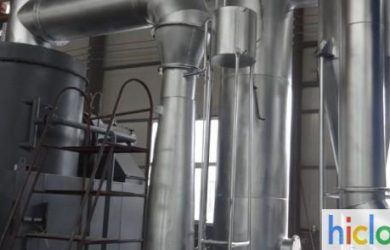
New continued feeding incinerator is valid for large scale incinerator, main function including a.)waste feeding system, b.)incinerator mainbody, c.)wet scrubber system. Burning rate up to 500kgs per hour and 4.7m3 primary combustion chamber capacity. Waste Auto-Feeding →→ Shredder System→→ Primary Combustion Chamber→→ …

china incinerator manufacturer

we are famous brand(Hiclover) china incinerator manufacturer and all over the world. We supply single combustion chamber, double combustion chambers, three combustion chambers and multi-combustion chambers waste incinerators for laboratory, clinic, hospital, medical center, hygiene clinical waste destruction with medical disposable, biological …

small scale incinerator

small scale incinerator means small burning rate (capacity), average from 5kgs per hour to 20 kgs per hour. this kind of incinerator mainly for small hospital clinic or laboratory, etc. but all of them design with double combustion chamber to best waste treatment. …

portable incinerator

portable incinerator means a small incinerator so end user can move it to other place. we made portable incinerator and the weight under 2000 kgs, the burning rate from 5kgs per hour to 20kgs per hour. all designed with three combustion chamber …

BIO MEDICAL INCINERATOR

I    INCINERATOR 1.    Type    Air Oil Fired Incinerator 2.    Type of Waste    Medical Waste 3.    Burning Capacity    (As per 250 beds hospital Bio Wast Desposal) 4.    Auxiliary Fuel    Diesel 5.    Type of Burner Operation    Monoblock fully automatic burners 6.    Temperature Primary Chamber …

double chamber incinerator

double chamber incinerator designed for completed combustion for waste, the first(primary) combustion chamber burn the waste directly by oil or gas burner. the secondary combustion chamber burn the smoke from the first(primary) combustion chamber. high temperature combustion will completed destroy waste and …

medical waste incinerator manufacturers

Hiclover, medical waste incinerator manufacturers, with different model, design,marketing price.We are china incinerator manufacturer, contractor and exporter. Manufacturer make reasonable price for incinerator customer, supply medical incinerator, hospital incinerator, animal incinerators, hog incinerators, pet cremation equipment, small incinerator, pet incinerator, animal incinerator, …

waste incinerator manufacturer in china

we are waste incinerator manufacturer in china, focus on medical waste, pet animal and other solid waste incineration treatment. waste incinerator design with single combustion chamber, double combustion chambers, three combustion chambers and multi-combustion chambers. standard waste incinerator fixed with italy fuel …

ENVIRONMENTAL PROTECTION Incinerator Reference Information

Aboriginal Affairs and Northern Development Canada (AANDC). Handbook of Reclamation Techniques in the Yukon, (1999).   Alaska Department of Environmental Conservation and Alaska Energy Authority. Burning Garbage and Land Disposal in Rural Alaska, (2004). http://www.akenergyauthority.org/AEAdocuments/BurningGarbage.pdf   Canadian Council of Ministers of the …

1.       Petrol: diesel 2.       Consumption: 8-10liter/hour

1.       Petrol: diesel 2.       Consumption: 8-10liter/hour 3.       Capacity: to cremate (carrion and spoils) 350-400kg/hour 4.       Temperature: 900-1350?C 5.       Operation temperature: -30~40?C 6.       Incinerator weight: 1800-2000 kg 7.       Volume: 0.70-0.80m/cube 8.       Exterior dimension: 1.4-1.6*1.0-1.15m (L*W) 9.       Trial able 10.   Incinerator mouth size: 50-60cm (W), 65-75cm (L) Ignition by Diesel Minimum burning temperature 1200 Celsius Burning capacity of 20 Tons per day. Cooling by water Burn Rate 100Kg/h Shipping Weight 4000kg Capacity 300Kg MINIMUM Max. Burn out time 3.0 hrs. Avg. Ash Residue 3% Heavy Duty refracting lining to withstand 15000C Min. Operating Temperature 8500C Max. Operating Temperature 14500C Residency Time in Secondary Chamber 2 sec. Density Insulation (high) 22mm Avg. Fuel Consumption p/hr 7 to 9ltr Fuel Dual, box & Oil/Diesel Temperature Monitoring YES Auto ignition YES Refractory Casting (min.) 65mm Refractory Casting (min) 65mm INCINERATORS Biological waste disposal system (INCINERATOR).  Incinerator must meet the following specifications: Combustion Capacity (kW) = 581 ±10%  Combustion Capacity (kcal/h) = 500,000±10%  Combustion Capacity – Solid waste IMO spec, (kg/h) = 100  IMO spec. (I/charge)       Minimum Zero 0 to Maximum = 250  Combustion Capacity – Sludge oil IMO spec, (l/h) (at 20% water content) -66±10%  Max. l/h (at approx. 50% water content) = 100 ±10%  Weight approx. (kg) = 4,850 ±10% 

incinerator 500kg per hour

incinerator 500kg per hour, which model is YD500. the fuel type is diesel oil or natual gas or LPG. this model incinerator burning rate is 500kgs per hour and the feeding capacity is average 800kgs per time, accordingly to detail waste material. …

Would this mean that the plant would operate only 12 hours per day? Normally operating&nbs

Would this mean that the plant would operate only 12 hours per day? Normally operating the station 24 hours per day should be able to valorize 12 tons per day for an installation with a capacity of 500 kgs/hr. Would plant operations be operational on a basis of 24 hours per day, 7 days a week, all year long except for regular and preventive maintenance periods? How many hours per year could your process be operational? What would be your approach for larger projects aiming to valorize 1 000 tons per day? How much electricity could be produced using you technology based on a 1 000 tons per day installation to valorize urban wastes having a humidity factor of say 50% and a calorific value in the order of 2.5 MW/ton of wastes at the entrance of the waste-to-energy station (i.e. before pre-treatment of wastes)? What volume and characteristics of ashes would be produced from such solid wastes valorization? What would be the capital cost necessary to meet the requirement to valorize 1 000 tons per day of urban wastes? What would be the selling price of electricity per kWhour to meet targeted profitability? Could you valorize sludge volumes coming from sewage treatment plants and if so at what maximum humidity factor could you operate the station at? Considering that your process is an incineration process, oxygen will be required, therefore there will be some air emissions from the process, how can air emissions be controlled to meet environmental norms? What would be your implication in any project : would you prepare process engineering, electricity production engineering, engineering for site work, buildings, electrical hook up to existing electrical network? Do you have complete construction capabilities or would you require a local partner to carry out which portion of construction work? Would you also operate the station or use a local partner to operate the station? Can you quote a custom design that can accommodate this container size? What′s the MIN and MAX chamber temperature and its heating time from MIN to MAX temperature? Do you also manufacture the afterburner? How about the exhaust pipe?

laboratory incinerator

  Incineration is the most environmentally acceptable method of laboratory waste disposal.  Combustion of organic materials with excess oxygen at high temperatures for sufficient time results in degradation to elemental constituents or by-products that are easier to handle in an environmentally acceptable …

1/ 200kgs/Hr medical waste incinerator.

1/ 200kgs/Hr medical waste incinerator. 2/ (CIF Term) Cost of shipping from factory to PAPUA NEW GUINEA seaport of LAE, Morobe province 3/ Cost of 2 Clover engineers to Supervise, Installation, Training our engineers and commissioning the medical; waste incinerator. Electrically controlled incinerator. Two-compartment incinerator with a capacity of 20 kg / hour. Incinerator with low maintenance and operating costs; Equipped with an automatic control panel and easy to use with electromagnetic locking of the door. A main waste reduction chamber of 900 ° C. A post secondary combustion chamber of gases generated in the primary chamber at least 1100 ° C. Carbon residues in ash less than 5% by weight in accordance with European Directive 2000/76 / EC. With refractory lining in materials of higher quality waste incinerator that is bigger than YD.30c incinerator that have a 100kg loading capacity preferably in another hospital in Bayelsa State.Burn Rate-150Kg/hour minimum Weight(Kg)-4000kg Secondary Chamber(double chamber with post-burning) Gas Retention Time 2 second Fuel Diesel Power Supply for control box 220V-240, single phase 50-60Hz Minimum operating temperature 1200 oC One year spare parts package for complete maintainability 10m hose pipe. 1100 litre fuel Tank +pipe system Containerised (the container will serve as housing) Additional chimney extension 1 metre high

china incinerator manufacturer and exporter

HICLOVER, Nanjing Clover Medical Technology Co.,Ltd, supply system solutions for medical environmental protection, animal and pet cremation engineering, other municipal solid waste incineration project. HICLOVER is growing brand for environmental protection field, and market share with most of Africa, Middle East, Southeast …

Industrial Type Wastage Incinerator Industrial Type Incinerator General Specification i.System Capacity: 100KG/h

Industrial Type Wastage Incinerator Industrial Type Incinerator General Specification i.System Capacity: 100KG/h ii.Type of Waste: Municipal Waste (Paper, Plastic, Wood etc.) iii.Waste Feeding: Manual iv.Fuel: Natural Gas v.Incinerator Type: Double Chamber vi.Expernal Cladding: MS Sheet of suitable Gauge, Painted with corrosion resistant paint vii.Flue Gas Emission Discharged to the Atmosphere should meet Pakistan National Environment Quality Standards (NEQS) viii.User Friendly operation should be ensured by proper automation ix.Adequate Safety Features should be incorporated to protect the premises and operators against mishaps and accidents  Primary Chamber  i.Auto ON/OFF Burner ii.Auto Temperature Control iii.Excess Air Blower Fan iv.Chamber constructed of two layer refractory linging v.Compressing: Thermal insulator linging and refractory masonry linging sufficient enough to maintain normal temperature at outside  Secondary Chamber  Primary Chamber i.Auto ON/OFF Burner ii.Auto Temperature Control  iii.Excess Air Blower Fan iv.The Chamber constructed of two layer refractory linging, comprising  v.Thermal insulator linging and refractory masonry linging sufficient enough to maintain normal temperature at outside  Control Panel  Standard PLC Control Panel  Note: All instruments/controller must be of high quality, preferably European/Japanese Origin Chimnery/Stack Made of MS Sheet, Sufficiently insulated and Lined with Refractory bricks (where required) to maintain normal temperature at outer surface  Painted with High Quality  Customer will be responsible for provision of electric supply and natural gas upto incinerator  Heat and Corrosion Resistant Paint  NOTE:  Motors of all blowers/fans/pumps must be of high quality, preferably European/Japanese Origin 

waste incinerator

waste incinerator means incineration the waste by incineration. we supply waste incinerator for medical hospital waste, pet cremation and animal incineration and other solid waste treatment. the waste incinerators have 2 combustion chamber, the first burner burn the waste in the primary …

low-cost medical waste incinerator

low-cost medical waste incinerator is good idea for small clinic, small hospital, etc.Incineration is the only method providing complete destruction and neutralization of the medical waste ideally at the source. For developing country and regions, we support cheap cost budget customer to …

Laboratory  waste Management  system 01. Liqued water purification system.

Laboratory  waste Management  system 01. Liqued water purification system. 02. Number of laboratories – 05 03. The estimated liquid water waste – 6000 L including a. chemicals b. toxins c. Bio Hazardous materials. Temporary allocated space for purifications system- 30×20 The following should be indicating in the biding document 1.Method of disposing treated waste water 2.Method of discarding the sludge 3.To follow ISO standard/regulations of Central Environment Authority 4.Time frame for construction 5.Request the cost for each item of the project  as well for the whole project. 6.Warranty period and maintaincne.  a. Pre-assembled, containerized type b. Burning rate: 100 – 120kg / hour c. Minimum operating temperature: 8500c (Primary combustion) d. Maximum operating temperature: 14500c (afterburner chamber) e. Secondary Burning capacity: Compulsory. f. Density insulation: 20 mm high g. Refractory casting: minimum 65mm h. Heavy duty refracting lining to withstand 15000c i. Average burn out time: maximum 3.0 hrs j. Fuel type: fuel oil (diesel) k. Fuel consumption in L/hr: 7.5 to 9 l. Residency time in secondary chamber: 2 secs. m. Residue ash post 100kg Max 3.8 kg n. Installation period Maximum 7days.

SPECIFICATIONS OF THE JKUAT INCINERATOR It should  be  a three chambered incinerator 

SPECIFICATIONS OF THE JKUAT INCINERATOR It should  be  a three chambered incinerator  The load capacity of 250 kg The housing for the incinerator should be able to withstand the temperatures and other operational requirements. The chimney should have a strong refractory lining of special type of cement to withstand temperatures more than 1200oc. It should have a strong base for the machine to keep it stable, firm and secure during its operational lifespan. The primary (combustion) and the secondary (scorching) chambers to be fitted with burners for effective combustion. In the third chamber, scrubbers and precipitators will need to be installed as pollution control equipment before emission of gases into the atmosphere. A system for continuous emission Monitoring and Environmental Monitoring. A mechanism with which to treat the waste water before discharge into the sewerage system. Temperature control and monitoring devices (probe thermometer) should be availed to ensure that the right temperatures are attained in the chambers during operation. Motor (fans) sufficient to induce enough air into the combustion chambers and direct the gases towards the flue 9 chimney). High power electricity and emergency generator connection for automated ignition purposes. The chimney should be tall enough and be at least one meter above the tallest building in the vicinity. The fuel tank (industrial diesel) to be constructed next to but out side the incinerator housing for security purposes and to prevent fire hazards. Capacity of 250. Other Requirements Training of all the personnel involved in health care waste (HCW) management. The Automatic Feeding system of the Incinerator Automatic waste loading mechanism with conveyor belts. These will lead the waste into the first primary chamber. An Automatic bottom ashes discharge system.

incinerator manufacturer

HICLOVER brand is holder of Nanjing Clover Medical Technology Co.,Ltd. we are incinerator manufacturer in china and we made waste incinerator for medical waste, pet cremation, animal incineration and other solid waste treatment. HICLOVER is famous incinerator manufacturer all over the world …

incinerator china

incinerator china, call hiclover brand(www.hiclover.com).  Nanjing Clover Medical Technology Co.,Ltd. is top incinerator supplier in china and supply single combustion chamber, double combustion chambers, three combustion chambers and multi-combustion chambers waste incinerators. Items/Model TS10(PLC) TS20(PLC) TS30(PLC) TS50(PLC) TS100(PLC) Burn Rate 10 kg/hour …

7. Type of waste  : Bio-medical / Hazardous / Municipal / Trash  = ALL and Mixed

7. Type of waste  : Bio-medical / Hazardous / Municipal / Trash  = ALL and Mixed8. Any other : Rubber, rubber tyres, Batteries, green waste, paper and cardboard9. Quantity of waste generated per day in kg : 3 -5 tonnes per day10. Duration C incinerator will be used per day : 1 C 8 hours / 1 C 16 hours / Continuous 11. Approximate moisture content: Variable12. Local incinerator operating and emission standards : India / EURO / US-EPA  Australia13. What is the height of the chimney required? : No chimney is required. Flue length should be approximately 2 to 3 metres to join to a downstream process14. Fuel proposed to be used :  LDO / HSD / FO / SKO/ Gas / Other  – No fuel required – Intended to free burn waste products15. Availability of power and type : Electricity if required16. Details of space available :  Not restricted17. Do you require an automatic loading system? :  Yes          No 18. Do you require a gas scrubbing system? :  Yes          No 19. How soon do you require the system to be delivered? : Sea Freight to Port of Cairns, Queensland, Australia in approximately Two months20. City and country of use :  Australia21. Whether the location is a coastal area : Yes          No 22. Any other specific requirements: Primary combustion chamber only is required. Solid and inflammable waste products need to be capable of being recovered from the incinerator easily using an automated procedure. This is because the incinerator will be required to operate 24/7. Rotary kiln or moving floor may be considered if deemed practical by the supplier. One initial incinerator is required for a proof of concept project and future orders for the successful supplier, following successful implementation of this project, are likely to be significant.23. It would be most useful if the supplier could send a video of the incinerator in operation or diagrams and pictures to show how it works.

Hazardous solid chemical:Different types of combustible solids, used textiles, grease, and toner car

Hazardous solid chemical: Different types of combustible solids, used textiles, grease, and toner cartridges, chemicalsfor water purification and photographic consumables and plastic material, emptyplastic/metal cans that still contain remnant hazardous material, oil absorbent. Hazardous liquid chemical:Mainly different types. of Acid, Paint, Varnish, Acetone, White Spirit Aromatic-lessSolvents, Synthetic Liquid for Break Systems, Aircraft De-icing Liquid, Hydraulic andCompressor oil, Freon, used in some older refrigeration units, Insecticide liquid/spray, airrefresh spray and other similar chemicals. Contaminated fuel:Mainly diesel or gasoline contaminated by water or solvents. Used and/or Contaminated oil: Used motor oils and/or mineral oils unfit for their originally intended use. Mainly motorand gearbox oil (approximately 80%) contaminated by a mixture of white spirit and acetone (approximately 51%), hydraulic liquid (approximately 5%). Contaminated water: Waste oilshvater, leaches, hydrocarbons/water mixtures, emulsions and leachate. Contaminated soil: Soil polluted by oil, fuel or 11 chemicals.Contaminated soil polluted by chemicals that has to be recycled in landfill.Contaminated soil—treated and replaced on site. Oil Contaminated SolidsRags, Absorbents, Cardboard, oil and fuel filters, air filters are not consider as hazardous materials. Electronic waste: Waste electrical or electronic appliances or assemblies, including printed circuit boards,containing toxic material and/or heavy metal and/or emitting low radiation. Used battery cells: Dry battery, UPS battery or other types, unsorted waste batteries/ battery cells, containingmaterials that are hazardouy. Used lead-acid batteries:Waste lead-acid batteries, rained/un-drained, and whole or crushed. Hazardous medical waste: Clinical and related waste, arising from medical, nursing or similar practices and wastegenerated in clinics during the investigation or treatment of patients (bio hazard). Expired drugs, solid: Waste pharmaceuticals, drugs and medicines, including sensitive medicines.Expired drugs Iiquid: Waste liquid pharmaceuticals, different type liquid chemicals for treatment, medicalgrease, and paraffin based xpired medicines. Expired and/or contaminated fod: Spoiled fresh food or unusable MRE’s (Meal Ready for Eat – dry food) Onsite Training and Assem Option for Industrial Incinerators I. The bidders should includ 1a price in their offer for training in a central location ( Goma orBukavu) approximately 15 staff in the operation and maintenance of theequipment. Smart Ash Incinerators 1. Size requirement for the incinerators is that the unit works with a 55 gallon open endedsteel drum.2. The unit should operate wit. no fuel and use only 120V or 220V electricity for the blowers.3. The unit should be capable of burning oil contaminated wastes and medical wastes with a moisture content of 0-15%J4. Each unit should come witH two steel drums, so that a spare drum is available. Spare Parts OptionIf there are any vendor suggested spare parts , that list and price should be included as an option in the offer.

china incinerators

the china incinerators with reasonable price for customer and good quality for long time use. We supply single combustion chamber, double combustion chambers, three combustion chambers and multi-combustion chambers waste incinerators for laboratory, clinic, hospital, medical center, hygiene clinical waste destruction with …

small incinerators

we have small incinerators with 10kgs per hour and the equipment weight 2200kgs for small waste out put unit department. Items/Model YD-10C YD-20C YD-30C YD-50C Burning Rate (kgs/Hour) 10 kgs/Hr. 20 kgs/Hr. 30 kgs/Hr. 50 kgs/Hr. Feed Capacity (kgs) 40 kgs 40 …

mobile incinerator china

we are mobile incinerator china manufacturer. HICLOVER now offer a full range of containerized incineration systems, placing us at the forefront of the latest transportation and industrial trends. Containerization enables immediate waste management as the units are pre-assembled and pre-installed. Containerization is …
Open chat